

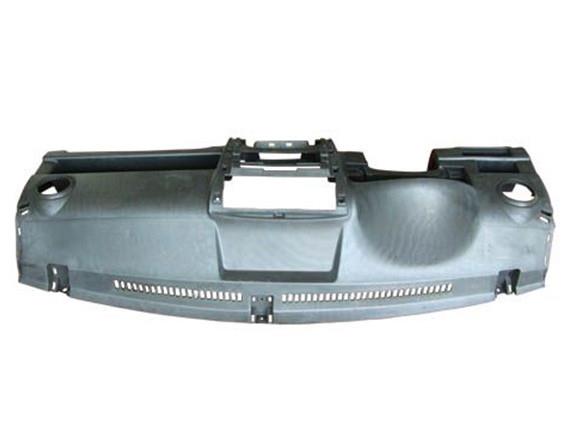
Для достижения наилучших результатов при изготовлении вещей из пластика очень важно выбрать правильные материалы для форм. Вещи работают и служат дольше или не так хорошо, в зависимости от химических веществ и клея, которые были использованы для их изготовления. Большая часть этой статьи в блоге посвящена различным типам пластиковая форма материалы и как выбрать лучшие химикаты и смолы. При выборе материала следует учитывать многие моменты: как будет выглядеть конечный продукт, как он будет использоваться и как с ним работать. Если вы работаете с пластиковым литьем, вы должны знать эти вещи. Выбирая правильные химикаты и материалы, компании могут улучшить качество своих товаров, сократить расходы и ускорить процесс литья пластмасс.


Факторы, влияющие на выбор смолы для пластиковых форм
Механические свойства и эксплуатационные требования
Механические качества и эксплуатационные требования - это самое важное, о чем следует думать при выборе смолы для пластиковых форм. Пластик должен быть прочным, жестким и устойчивым к давлению, чтобы он мог выдержать процесс литья и соответствовать требованиям, предъявляемым к готовому изделию. Например, при разработке пластиковой формы для домашнего устройства часто выбирают материалы, которые обладают высокой термостойкостью и сохраняют свою форму, чтобы детали служили долго и работали исправно. Инженеры должны тщательно продумать, для чего будет использоваться изготовленная деталь, и выбрать пластик, способный выдерживать нагрузки, температуры и условия, в которых он будет находиться. Кроме того, такие параметры, как химическая стойкость, сопротивление ползучести и износостойкость, очень важны при выборе наилучшего материала для пластиковых пресс-форм.
Характеристики обработки и формуемость
При выборе материала для пластиковая форма, the processing properties and moldability of the resin are very important. During the casting process, different plastics have different flow qualities, shrinking rates, and cycle times. For instance, in the creation of plastic molds for home appliances, it's important to use materials that flow well so that you can make complicated shapes with thin walls and lots of small details. The melt flow index (MFI) of a resin is a good way to tell how easy it is to work with. Higher MFI numbers usually mean better flow and shorter cycle times. It is important to find a mix between how easy the material is to work with and the mechanical qualities that are wanted in the end result. Some plastics may need higher temperatures or pressures to be processed, which can change how the mold is designed and what tools are needed. To get the most out of your plastic molding processes and make sure that the quality of your parts is always the same, you need to understand these working traits.
Стоимость и доступность материалов
If you are choosing resins for plastic models, you should think about how much they cost and how easy it is to get them. Engineered plastics that work better might cost more, but they might make a job more profitable in the long run. In the market for home device plastic mold creation, for example, you need to find a balance between the need for performance and the need for cheap materials if you want to keep your prices low. One more important issue is that things that need to be bought can go wrong if the supply chain isn't stable or if people have to wait a long time. Manufacturers often use standard resins or mixes that are a good mix of price and performance. When you make your choice, think about how you can reuse and recycle the things you pick out. You can save money and help the world at the same time with these plastic shaping services.
Основные добавки для улучшения характеристик пластиковых форм
Усиливающие агенты и модификаторы ударопрочности
Additives like impact modifiers and reinforcing agents are very important in plastic mold materials because they make molded parts' performance and longevity much better. For example, glass fibers, carbon fibers, or mineral fillers are often used as strengthening agents in home device plastic mold design to make the mold stronger, stiffer, and more stable in its shape. Because these materials can greatly raise the load-bearing capacity and heat protection of plastic parts, they can be used in situations that need good mechanical performance. With impact adjusters, on the other hand, the toughness and impact resistance of plastic parts are increased. This is especially useful in situations where quick impacts or stress concentrations are likely to happen. Manufacturing companies can change the qualities of plastic molds to meet specific performance needs while keeping them easy to use and affordable by carefully choosing and combining these additions.
Красящие вещества и УФ-стабилизаторы
Красящие вещества и УФ-стабилизаторы очень важны для того, чтобы изделия из пластика выглядели лучше и служили дольше. Красящие вещества очень важны в бытовой технике пластиковая форма Создайте то, что вам нужно, чтобы добиться желаемого внешнего вида и убедиться, что ваш бренд соответствует всем вашим продуктам. Эти добавки могут быть органическими или искусственными красителями, пигментами или их смесью. Они тщательно подбираются, чтобы придать цвету необходимую прочность и устойчивость. С другой стороны, УФ-протекторы очень важны для того, чтобы пластиковые детали не разрушались под воздействием ультрафиолетовых лучей. Это особенно важно для товаров или изделий, которые будут находиться на улице и подвергаться воздействию солнечных лучей. УФ-стабилизаторы работают, либо поглощая опасные УФ-лучи, либо гася возбужденные состояния молекул. Это останавливает производство свободных радикалов, которые могут повредить цвета, сделать материалы слабыми или изнашивать поверхности. Если производители используют правильное сочетание красителей и УФ-стабилизаторов, они могут быть уверены, что их изделия из пластика будут долго выглядеть и оставаться прочными.
Антипирены и антиоксиданты
Flame retardants and antioxidants are important parts of plastic mold materials, especially for uses that need to be safer and last longer. When flame retardants are used in the design of home device plastic molds, safety rules must be followed, and the risk of fire spreading is lower. These additions work by getting in the way of burning, either by creating a safe char layer or letting out gases that stop the flame, or both. The type of flame suppressant used depends on the plastic system and the amount of fire protection that is needed. On the other hand, antioxidants are needed to keep plastics from breaking down due to heat and oxygen during processing and throughout the product's lifecycle. They do their job by getting rid of free radicals and peroxides, which can damage polymer structures and cause chains to break. Manufacturers can greatly improve the safety, sturdiness, and performance of plastic-molded goods by adding the right flame retardants and antioxidants. This is especially true for high-demand uses like electrical tools and car parts.
Передовые методы выбора материала для пластиковых форм
Средства компьютерного выбора материалов
Choosing the right material for a plastic mold has become much easier and more accurate thanks to computer-aided material selection tools. When engineers need to find the best resins and chemicals for a job, these high-tech software programs combine huge collections of material qualities with complex formulas. To figure out how different materials will work in home device plastic mold creation, these tools can mimic different manufacturing processes, stress situations, and weather conditions. For makers, quickly narrow down the list of possible materials by entering factors like engineering needs, heat qualities, chemical resistance, and cost limits. The decision-making models in these tools often use multiple criteria, which lets them take all of the factors into account fairly. The most cutting-edge systems can even suggest the best mixes or combinations to meet specific performance needs. This really pushes the limits of what's possible in designing and making plastic molds.
Устойчивость и экологичность материалов
More and more, it's important to choose plastic mold materials that are long-lasting and good for the environment because of government rules and concerns about the environment in home appliance plastic mold design. It is being thought about using bio-based resins, recycled plastics, and organic polymers instead of petroleum-based materials to make plastic models for home products in home appliance plastic mold design. These choices are better for the earth and can make plastic items much less damaging while still doing their job in бытовая техника пластиковые формы дизайн. Новые методы переработки позволили использовать пластик, полученный после переработки, для изготовления пластиковых форм для бытовой техники. На этом процесс изготовления пластика в пресс-форме для бытовой техники заканчивается. В соответствии с идеями циркулярной экономики, продукты, которые легко разрушаются и восстанавливаются, также становятся все более распространенными в дизайне пластиковых форм для бытовой техники. Компании, использующие экологичные материалы, могут оказывать меньшее воздействие на окружающую среду, привлекать людей, заботящихся об экологии, и адаптироваться к новым законам в бизнесе по литью пластмасс для дизайна пластиковых форм для бытовой техники.
Процессы тестирования и валидации материалов
Material tests and proof are important steps to make sure that the plastic mold materials you choose will work well. When making plastic molds for home appliances, strict testing procedures are used to make sure that the resins and materials chosen meet the requirements and work as expected in a variety of situations. Usually, these steps include both standard tests and reviews that are specific to the application. To check the material's structural qualities, mechanical tests like tensile strength, impact resistance, and wear testing are used. Techniques for thermal analysis, such as differential scanning calorimetry (DSC) and thermogravimetric analysis (TGA), help us understand how a substance acts when heated or cooled. Chemical resistance tests make sure that the material can handle different chemicals that it might come into contact with while being used. Accelerated aging tests can also help predict how well something will work and last in the long run. Manufacturers can lower the risk of product failure and ensure uniform quality in their plastic molding processes by thoroughly testing and confirming materials fully before they are used on a large scale.
Заключение
It's hard but necessary to choose the right resins, fillers, and plastic mold materials in бытовая техника пластиковые формы дизайн при изготовлении пластиковых форм. Производители могут сделать свою продукцию более эффективной и долговечной, уделив большое внимание таким вопросам, как стоимость, воздействие на окружающую среду и технические характеристики. Теперь, когда у нас есть более совершенные инструменты, экологически чистые варианты и тщательные методы тестирования, мы можем выбирать материалы лучше. Чтобы не отставать от конкурентов в области литья пластмасс, важно изучать новые материалы и способы их применения. Если вам нужна квалифицированная помощь и высококачественные варианты пластиковых форм, лучше всего сотрудничать с производителями с большим опытом, такими как Alwin Asia Limited.
Для получения дополнительной информации о наших решениях и услугах в области пресс-форм для пластмасс, пожалуйста, свяжитесь с нами по адресу sales@alwinasia.com. Alwin Asia Limited, registered in Hong Kong, and our manufacturing partner, Dongguan Yongsheng Hardware Plastic Product Co., Ltd., have over 20 years of experience in the plastic mold industry. We specialize in plastic molds, die-casting molds, and plastic products, offering comprehensive services from design and development to production. Our factory, located in Chang'an Town, Dongguan City, Guangdong Province, is conveniently situated near Shenzhen and Hong Kong airports. We pride ourselves on delivering high-quality products, cost-effective solutions, and timely delivery while maintaining strict confidentiality for our clients. We welcome you to visit our facility and explore potential business opportunities with us!
Часто задаваемые вопросы
Вопрос: Какие наиболее важные факторы следует учитывать при выборе материалов для пластиковых форм?
О: Ключевые факторы включают механические свойства, характеристики обработки, стоимость, доступность и устойчивость.
Вопрос: Как добавки улучшают характеристики пластиковых форм?
О: Добавки могут повысить прочность, ударопрочность, устойчивость к ультрафиолетовому излучению, огнестойкость и общую долговечность пластиковых формованных деталей.
Вопрос: Какую роль играют компьютерные инструменты в выборе материала?
О: Эти инструменты помогают инженерам быстро определить подходящие материалы, моделируя их работу в различных условиях и учитывая множество критериев.
В: Существуют ли экологически чистые варианты материалов для пластиковых форм?
О: Да, смолы на биооснове, переработанные пластмассы и биоразлагаемые полимеры все чаще используются в качестве устойчивых альтернатив.
Вопрос: Почему испытания материалов важны при проектировании пресс-форм для пластмасс?
О: Испытания гарантируют, что выбранные материалы соответствуют требуемым спецификациям и работают как ожидается в различных условиях, сводя к минимуму риск отказа продукции.
Ссылки
1. Смит, Дж. (2021). Передовые материалы для пластиковых форм: A Comprehensive Guide. Журнал "Полимерная инженерия", 45(3), 234-256.
2. Джонсон, М. и Ли, К. (2020). Устойчивая практика проектирования пластмассовых пресс-форм. Green Manufacturing Quarterly, 18(2), 89-103.
3. Томпсон, Р. (2019). Компьютерный выбор материала для литья пластмасс. Международный журнал производственных технологий, 37(4), 567-582.
4. Гарсия, Л. и др. (2022). Инновационные добавки для улучшения характеристик пластиковых форм. Полимерные композиты сегодня, 29(1), 45-62.
5. Уайт, А. и Браун, Т. (2018). Протоколы тестирования материалов для высокопроизводительных пластиковых форм. Обеспечение качества в производстве, 12(3), 178-195.
6. Чен, Х. (2023). Экологически чистые смолы и добавки: Будущее пластикового формования. Sustainable Materials Research, 7(2), 112-129.