

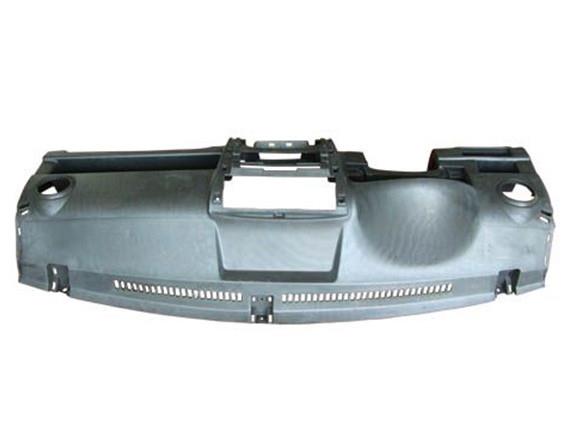
Um die besten Ergebnisse bei der Herstellung von Dingen aus Kunststoff zu erzielen, ist es sehr wichtig, die richtigen Materialien für die Formen zu wählen. Je nachdem, welche Chemikalien und Klebstoffe für die Herstellung verwendet wurden, funktionieren die Dinge und halten länger oder weniger gut. In diesem Blogbeitrag geht es vor allem um die verschiedenen Arten von Kunststoffform Materialien und wie man die besten Chemikalien und Harze auswählt. Bei der Auswahl eines Materials sollte man viele Dinge bedenken, z. B. wie das Endprodukt aussehen soll, wie es verwendet wird und wie es verarbeitet wird. Wenn Sie mit Kunststoffguss arbeiten, sollten Sie diese Dinge wissen. Durch die Wahl der richtigen Chemikalien und Materialien können Unternehmen die Qualität ihrer Produkte verbessern, Kosten senken und den Kunststoffgussprozess beschleunigen.


Faktoren, die die Auswahl des Harzes für Kunststoffformen beeinflussen
Mechanische Eigenschaften und Leistungsanforderungen
Mechanische Eigenschaften und Leistungsanforderungen sind die wichtigsten Faktoren, die bei der Auswahl von Harzen für Kunststoffformen berücksichtigt werden müssen. Der Kunststoff muss fest, steif und druckbeständig sein, damit er den Gießprozess übersteht und die Anforderungen an das Endprodukt erfüllt. Bei der Konstruktion einer Kunststoffform für ein Haushaltsgerät werden beispielsweise häufig Materialien gewählt, die sehr hitzebeständig und formstabil sind, um sicherzustellen, dass die Teile lange halten und einwandfrei funktionieren. Die Ingenieure müssen sich genau überlegen, wofür das hergestellte Teil verwendet werden soll, und einen Kunststoff wählen, der den auftretenden Belastungen, Temperaturen und Bedingungen gewachsen ist. Auch Faktoren wie chemische Beständigkeit, Kriechfestigkeit und Verschleißfestigkeit sind bei der Auswahl des besten Materials für eine Kunststoffformanwendung sehr wichtig.
Verarbeitungseigenschaften und Formbarkeit
Bei der Auswahl eines Materials für eine Kunststoffform, the processing properties and moldability of the resin are very important. During the casting process, different plastics have different flow qualities, shrinking rates, and cycle times. For instance, in the creation of plastic molds for home appliances, it's important to use materials that flow well so that you can make complicated shapes with thin walls and lots of small details. The melt flow index (MFI) of a resin is a good way to tell how easy it is to work with. Higher MFI numbers usually mean better flow and shorter cycle times. It is important to find a mix between how easy the material is to work with and the mechanical qualities that are wanted in the end result. Some plastics may need higher temperatures or pressures to be processed, which can change how the mold is designed and what tools are needed. To get the most out of your plastic molding processes and make sure that the quality of your parts is always the same, you need to understand these working traits.
Kostenerwägungen und Materialverfügbarkeit
If you are choosing resins for plastic models, you should think about how much they cost and how easy it is to get them. Engineered plastics that work better might cost more, but they might make a job more profitable in the long run. In the market for home device plastic mold creation, for example, you need to find a balance between the need for performance and the need for cheap materials if you want to keep your prices low. One more important issue is that things that need to be bought can go wrong if the supply chain isn't stable or if people have to wait a long time. Manufacturers often use standard resins or mixes that are a good mix of price and performance. When you make your choice, think about how you can reuse and recycle the things you pick out. You can save money and help the world at the same time with these plastic shaping services.
Wesentliche Additive zur Verbesserung der Leistung von Kunststoffformen
Verstärkungsstoffe und Schlagzähigkeitsmodifikatoren
Additives like impact modifiers and reinforcing agents are very important in plastic mold materials because they make molded parts' performance and longevity much better. For example, glass fibers, carbon fibers, or mineral fillers are often used as strengthening agents in home device plastic mold design to make the mold stronger, stiffer, and more stable in its shape. Because these materials can greatly raise the load-bearing capacity and heat protection of plastic parts, they can be used in situations that need good mechanical performance. With impact adjusters, on the other hand, the toughness and impact resistance of plastic parts are increased. This is especially useful in situations where quick impacts or stress concentrations are likely to happen. Manufacturing companies can change the qualities of plastic molds to meet specific performance needs while keeping them easy to use and affordable by carefully choosing and combining these additions.
Farbstoffe und UV-Stabilisatoren
Farbstoffe und UV-Stabilisatoren sind sehr wichtig, um Kunststofferzeugnissen ein besseres Aussehen und eine längere Lebensdauer zu verleihen. Farbstoffe sind sehr wichtig für Haushaltsgeräte Kunststoffform um das gewünschte Aussehen zu erzielen und sicherzustellen, dass Ihre Marke bei allen Ihren Produkten einheitlich ist. Bei diesen Zusätzen kann es sich um organische oder künstliche Farbstoffe oder Pigmente oder um eine Mischung aus beidem handeln. Sie werden sorgfältig ausgewählt, um der Farbe die nötige Stärke und Beständigkeit zu verleihen. Andererseits sind UV-Schutzmittel sehr wichtig, um zu verhindern, dass Kunststoffteile kaputt gehen, wenn sie UV-Strahlen ausgesetzt sind. Dies ist besonders wichtig für Waren oder Anwendungen, die sich im Freien befinden und dem Sonnenlicht ausgesetzt sein können. UV-Stabilisatoren absorbieren entweder gefährliche UV-Strahlen oder schalten die angeregten Zustände von Molekülen aus. Dadurch wird die Bildung von freien Radikalen verhindert, die Farben beschädigen, Materialien schwächen oder Oberflächen abnutzen können. Wenn Hersteller die richtige Mischung aus Farbstoffen und UV-Stabilisatoren verwenden, können sie sicherstellen, dass ihre aus Kunststoff geformten Produkte lange Zeit gut aussehen und stabil bleiben.
Flammschutzmittel und Antioxidantien
Flame retardants and antioxidants are important parts of plastic mold materials, especially for uses that need to be safer and last longer. When flame retardants are used in the design of home device plastic molds, safety rules must be followed, and the risk of fire spreading is lower. These additions work by getting in the way of burning, either by creating a safe char layer or letting out gases that stop the flame, or both. The type of flame suppressant used depends on the plastic system and the amount of fire protection that is needed. On the other hand, antioxidants are needed to keep plastics from breaking down due to heat and oxygen during processing and throughout the product's lifecycle. They do their job by getting rid of free radicals and peroxides, which can damage polymer structures and cause chains to break. Manufacturers can greatly improve the safety, sturdiness, and performance of plastic-molded goods by adding the right flame retardants and antioxidants. This is especially true for high-demand uses like electrical tools and car parts.
Fortgeschrittene Techniken bei der Auswahl von Kunststoffformwerkstoffen
Computergestützte Werkzeuge zur Materialauswahl
Choosing the right material for a plastic mold has become much easier and more accurate thanks to computer-aided material selection tools. When engineers need to find the best resins and chemicals for a job, these high-tech software programs combine huge collections of material qualities with complex formulas. To figure out how different materials will work in home device plastic mold creation, these tools can mimic different manufacturing processes, stress situations, and weather conditions. For makers, quickly narrow down the list of possible materials by entering factors like engineering needs, heat qualities, chemical resistance, and cost limits. The decision-making models in these tools often use multiple criteria, which lets them take all of the factors into account fairly. The most cutting-edge systems can even suggest the best mixes or combinations to meet specific performance needs. This really pushes the limits of what's possible in designing and making plastic molds.
Nachhaltigkeit und umweltfreundliche Materialoptionen
More and more, it's important to choose plastic mold materials that are long-lasting and good for the environment because of government rules and concerns about the environment in home appliance plastic mold design. It is being thought about using bio-based resins, recycled plastics, and organic polymers instead of petroleum-based materials to make plastic models for home products in home appliance plastic mold design. These choices are better for the earth and can make plastic items much less damaging while still doing their job in Kunststoffformen für Haushaltsgeräte. Neue Recyclingmethoden haben es möglich gemacht, Post-Verbraucher-Kunststoffe sinnvoll für die Gestaltung von Kunststoffformen für Haushaltsgeräte zu verwenden. Damit ist der Prozess der Kunststoffherstellung in einer Kunststoffform für Haushaltsgeräte abgeschlossen. Im Einklang mit den Ideen einer Kreislaufwirtschaft werden Produkte, die sich leicht abbauen und wiederverwerten lassen, auch bei der Entwicklung von Kunststoffformen für Haushaltsgeräte immer häufiger verwendet. Unternehmen, die nachhaltige Materialien verwenden, können die Umwelt weniger belasten, umweltbewusste Menschen anziehen und sich an neue Gesetze im Bereich der Kunststoffformgebung für Haushaltsgeräte anpassen.
Materialprüfung und Validierungsverfahren
Material tests and proof are important steps to make sure that the plastic mold materials you choose will work well. When making plastic molds for home appliances, strict testing procedures are used to make sure that the resins and materials chosen meet the requirements and work as expected in a variety of situations. Usually, these steps include both standard tests and reviews that are specific to the application. To check the material's structural qualities, mechanical tests like tensile strength, impact resistance, and wear testing are used. Techniques for thermal analysis, such as differential scanning calorimetry (DSC) and thermogravimetric analysis (TGA), help us understand how a substance acts when heated or cooled. Chemical resistance tests make sure that the material can handle different chemicals that it might come into contact with while being used. Accelerated aging tests can also help predict how well something will work and last in the long run. Manufacturers can lower the risk of product failure and ensure uniform quality in their plastic molding processes by thoroughly testing and confirming materials fully before they are used on a large scale.
Schlussfolgerung
It's hard but necessary to choose the right resins, fillers, and plastic mold materials in Kunststoffformen für Haushaltsgeräte bei der Herstellung von Kunststoffformen. Hersteller können dafür sorgen, dass ihre Produkte besser funktionieren und länger halten, indem sie Dinge wie Kosten, Umweltauswirkungen und technische Spezifikationen gründlich bedenken. Dank fortschrittlicherer Werkzeuge, umweltfreundlicherer Optionen und gründlicher Testmethoden kann die Materialauswahl jetzt besser getroffen werden. Um im sich wandelnden Bereich des Kunststoffgießens die Nase vorn zu haben, ist es wichtig, sich über neue Materialien und Vorgehensweisen zu informieren. Wenn Sie fachkundige Hilfe und qualitativ hochwertige Kunststoffformen wünschen, sollten Sie mit Herstellern zusammenarbeiten, die über viel Erfahrung verfügen, wie Alwin Asia Limited.
Für weitere Informationen über unsere Lösungen und Dienstleistungen im Bereich Kunststoffformen, kontaktieren Sie uns bitte unter sales@alwinasia.com. Alwin Asia Limited, registered in Hong Kong, and our manufacturing partner, Dongguan Yongsheng Hardware Plastic Product Co., Ltd., have over 20 years of experience in the plastic mold industry. We specialize in plastic molds, die-casting molds, and plastic products, offering comprehensive services from design and development to production. Our factory, located in Chang'an Town, Dongguan City, Guangdong Province, is conveniently situated near Shenzhen and Hong Kong airports. We pride ourselves on delivering high-quality products, cost-effective solutions, and timely delivery while maintaining strict confidentiality for our clients. We welcome you to visit our facility and explore potential business opportunities with us!
Häufig gestellte Fragen
F: Was sind die wichtigsten Faktoren, die bei der Auswahl von Kunststoffformen zu berücksichtigen sind?
A: Zu den wichtigsten Faktoren gehören mechanische Eigenschaften, Verarbeitungsmerkmale, Kosten, Verfügbarkeit und Nachhaltigkeit.
F: Wie verbessern Additive die Leistung von Kunststoffformen?
A: Additive können die Festigkeit, die Schlagzähigkeit, die UV-Stabilität, den Flammschutz und die allgemeine Haltbarkeit von Kunststoffformteilen verbessern.
F: Welche Rolle spielen computergestützte Werkzeuge bei der Materialauswahl?
A: Diese Werkzeuge helfen Ingenieuren, schnell geeignete Materialien zu identifizieren, indem sie die Leistung unter verschiedenen Bedingungen simulieren und mehrere Kriterien berücksichtigen.
F: Gibt es umweltfreundliche Optionen für Kunststoffformmaterialien?
A: Ja, biobasierte Harze, recycelte Kunststoffe und biologisch abbaubare Polymere werden zunehmend als nachhaltige Alternativen eingesetzt.
F: Warum ist die Materialprüfung bei der Konstruktion von Kunststoffformen wichtig?
A: Durch die Prüfung wird sichergestellt, dass die ausgewählten Materialien die erforderlichen Spezifikationen erfüllen und unter verschiedenen Bedingungen die erwartete Leistung erbringen, wodurch das Risiko von Produktfehlern minimiert wird.
Referenzen
1. Smith, J. (2021). Advanced Plastic Mold Materials: A Comprehensive Guide. Journal of Polymer Engineering, 45(3), 234-256.
2. Johnson, M. & Lee, K. (2020). Sustainable Practices in Plastic Mold Design. Green Manufacturing Quarterly, 18(2), 89-103.
3. Thompson, R. (2019). Computer-Aided Material Selection for Plastic Molding. International Journal of Manufacturing Technology, 37(4), 567-582.
4. Garcia, L. et al. (2022). Innovative Additives for Enhanced Plastic Mold Performance. Polymer Composites Today, 29(1), 45-62.
5. White, A. & Brown, T. (2018). Material Testing Protocols for High-Performance Plastic Molds. Quality Assurance in Manufacturing, 12(3), 178-195.
6. Chen, H. (2023). Umweltverträgliche Harze und Additive: The Future of Plastic Molding. Sustainable Materials Research, 7(2), 112-129.