

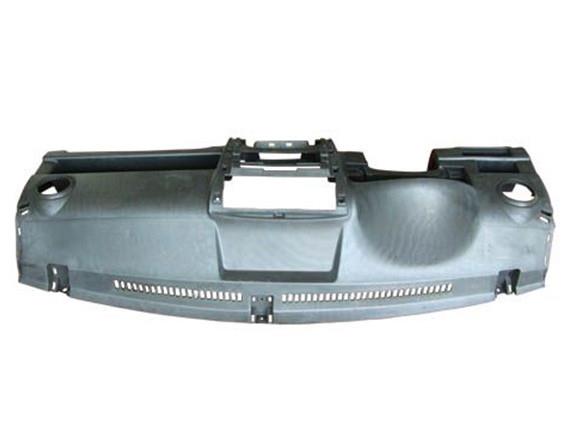
Para obtener los mejores resultados al hacer cosas de plástico, es muy importante elegir los materiales adecuados para los moldes. Las cosas funcionan y duran más o no tan bien, dependiendo de los productos químicos y el pegamento que se utilizaron para hacerlas. Gran parte de esta entrada del blog es acerca de los diferentes tipos de molde de plástico materiales y cómo elegir los mejores productos químicos y resinas. A la hora de elegir un material hay que tener en cuenta muchas cosas, como qué aspecto quiere que tenga el artículo final, cómo se va a utilizar y cómo se va a trabajar con él. Si trabaja con fundición de plástico, debe saber estas cosas. Las empresas pueden mejorar la calidad de sus productos, reducir costes y acelerar el proceso de fundición de plásticos eligiendo los productos químicos y materiales adecuados.


Factores que influyen en la selección de resinas para moldes de plástico
Propiedades mecánicas y requisitos de rendimiento
Las cualidades mecánicas y las necesidades de rendimiento son lo más importante a la hora de elegir resinas para moldes de plástico. El plástico debe ser fuerte, rígido y resistente a la presión para que pueda sobrevivir al proceso de fundición y cumplir los requisitos del producto acabado. Por ejemplo, cuando se diseña un molde de plástico para un dispositivo doméstico, se suelen elegir materiales muy resistentes al calor y que mantengan su forma para asegurarse de que las piezas duren mucho tiempo y funcionen correctamente. Los ingenieros tienen que pensar detenidamente para qué se utilizará la pieza fabricada y elegir un plástico que pueda soportar las cargas, temperaturas y condiciones que se presentarán. Además, aspectos como la resistencia química, la resistencia a la fluencia y la resistencia al desgaste son muy importantes a la hora de elegir el mejor material para una aplicación de moldes de plástico.
Características de procesamiento y moldeabilidad
A la hora de elegir un material para un molde de plástico, the processing properties and moldability of the resin are very important. During the casting process, different plastics have different flow qualities, shrinking rates, and cycle times. For instance, in the creation of plastic molds for home appliances, it's important to use materials that flow well so that you can make complicated shapes with thin walls and lots of small details. The melt flow index (MFI) of a resin is a good way to tell how easy it is to work with. Higher MFI numbers usually mean better flow and shorter cycle times. It is important to find a mix between how easy the material is to work with and the mechanical qualities that are wanted in the end result. Some plastics may need higher temperatures or pressures to be processed, which can change how the mold is designed and what tools are needed. To get the most out of your plastic molding processes and make sure that the quality of your parts is always the same, you need to understand these working traits.
Consideraciones económicas y disponibilidad de material
If you are choosing resins for plastic models, you should think about how much they cost and how easy it is to get them. Engineered plastics that work better might cost more, but they might make a job more profitable in the long run. In the market for home device plastic mold creation, for example, you need to find a balance between the need for performance and the need for cheap materials if you want to keep your prices low. One more important issue is that things that need to be bought can go wrong if the supply chain isn't stable or if people have to wait a long time. Manufacturers often use standard resins or mixes that are a good mix of price and performance. When you make your choice, think about how you can reuse and recycle the things you pick out. You can save money and help the world at the same time with these plastic shaping services.
Aditivos esenciales para mejorar el rendimiento de los moldes de plástico
Agentes de refuerzo y modificadores de impacto
Additives like impact modifiers and reinforcing agents are very important in plastic mold materials because they make molded parts' performance and longevity much better. For example, glass fibers, carbon fibers, or mineral fillers are often used as strengthening agents in home device plastic mold design to make the mold stronger, stiffer, and more stable in its shape. Because these materials can greatly raise the load-bearing capacity and heat protection of plastic parts, they can be used in situations that need good mechanical performance. With impact adjusters, on the other hand, the toughness and impact resistance of plastic parts are increased. This is especially useful in situations where quick impacts or stress concentrations are likely to happen. Manufacturing companies can change the qualities of plastic molds to meet specific performance needs while keeping them easy to use and affordable by carefully choosing and combining these additions.
Colorantes y estabilizadores UV
Los colorantes y estabilizadores UV son muy importantes para que los productos moldeados en plástico tengan mejor aspecto y duren más. Los colorantes son muy importantes en los electrodomésticos molde de plástico creación para conseguir el aspecto deseado y asegurarse de que su marca es coherente en todos sus productos. Estos complementos pueden ser tintes o pigmentos orgánicos o artificiales, o una mezcla de ambos. Se eligen cuidadosamente para dar al color la fuerza y firmeza que necesita. Por otro lado, los protectores UV son muy importantes para evitar que las piezas de plástico se estropeen cuando están expuestas a los rayos UV. Esto es especialmente importante para productos o usos que van a estar en el exterior y pueden estar expuestos a la luz solar. Los estabilizadores UV actúan absorbiendo los peligrosos rayos UV o apagando los estados excitados de las moléculas. Esto detiene la producción de radicales libres que pueden dañar los colores, debilitar los materiales o desgastar las superficies. Cuando los fabricantes utilizan la mezcla adecuada de colorantes y estabilizadores UV, pueden estar seguros de que sus productos moldeados en plástico conservan su buen aspecto y su resistencia durante mucho tiempo.
Retardantes de llama y antioxidantes
Flame retardants and antioxidants are important parts of plastic mold materials, especially for uses that need to be safer and last longer. When flame retardants are used in the design of home device plastic molds, safety rules must be followed, and the risk of fire spreading is lower. These additions work by getting in the way of burning, either by creating a safe char layer or letting out gases that stop the flame, or both. The type of flame suppressant used depends on the plastic system and the amount of fire protection that is needed. On the other hand, antioxidants are needed to keep plastics from breaking down due to heat and oxygen during processing and throughout the product's lifecycle. They do their job by getting rid of free radicals and peroxides, which can damage polymer structures and cause chains to break. Manufacturers can greatly improve the safety, sturdiness, and performance of plastic-molded goods by adding the right flame retardants and antioxidants. This is especially true for high-demand uses like electrical tools and car parts.
Técnicas avanzadas de selección de materiales para moldes de plástico
Herramientas de selección de materiales asistidas por ordenador
Choosing the right material for a plastic mold has become much easier and more accurate thanks to computer-aided material selection tools. When engineers need to find the best resins and chemicals for a job, these high-tech software programs combine huge collections of material qualities with complex formulas. To figure out how different materials will work in home device plastic mold creation, these tools can mimic different manufacturing processes, stress situations, and weather conditions. For makers, quickly narrow down the list of possible materials by entering factors like engineering needs, heat qualities, chemical resistance, and cost limits. The decision-making models in these tools often use multiple criteria, which lets them take all of the factors into account fairly. The most cutting-edge systems can even suggest the best mixes or combinations to meet specific performance needs. This really pushes the limits of what's possible in designing and making plastic molds.
Opciones de materiales sostenibles y respetuosos con el medio ambiente
More and more, it's important to choose plastic mold materials that are long-lasting and good for the environment because of government rules and concerns about the environment in home appliance plastic mold design. It is being thought about using bio-based resins, recycled plastics, and organic polymers instead of petroleum-based materials to make plastic models for home products in home appliance plastic mold design. These choices are better for the earth and can make plastic items much less damaging while still doing their job in diseño de moldes de plástico para electrodomésticos. Los nuevos métodos de reciclaje han hecho posible el uso de plásticos post-consumo en el diseño de moldes de plástico para electrodomésticos. Esto pone fin al proceso de fabricación del plástico en el diseño de moldes de plástico para electrodomésticos. En línea con las ideas de una economía circular, los productos que son fáciles de descomponer y recuperar también son cada vez más comunes en el diseño de moldes de plástico para electrodomésticos. Las empresas que utilizan materiales sostenibles pueden tener un menor impacto en el medio ambiente, atraer a personas que se preocupan por el medio ambiente y adaptarse a las nuevas leyes en el negocio del moldeo de plástico para el diseño de moldes de plástico para electrodomésticos.
Procesos de ensayo y validación de materiales
Material tests and proof are important steps to make sure that the plastic mold materials you choose will work well. When making plastic molds for home appliances, strict testing procedures are used to make sure that the resins and materials chosen meet the requirements and work as expected in a variety of situations. Usually, these steps include both standard tests and reviews that are specific to the application. To check the material's structural qualities, mechanical tests like tensile strength, impact resistance, and wear testing are used. Techniques for thermal analysis, such as differential scanning calorimetry (DSC) and thermogravimetric analysis (TGA), help us understand how a substance acts when heated or cooled. Chemical resistance tests make sure that the material can handle different chemicals that it might come into contact with while being used. Accelerated aging tests can also help predict how well something will work and last in the long run. Manufacturers can lower the risk of product failure and ensure uniform quality in their plastic molding processes by thoroughly testing and confirming materials fully before they are used on a large scale.
Conclusión
It's hard but necessary to choose the right resins, fillers, and plastic mold materials in diseño de moldes de plástico para electrodomésticos a la hora de fabricar moldes de plástico. Los fabricantes pueden hacer que sus productos funcionen mejor y duren más si tienen muy en cuenta aspectos como el coste, el impacto ambiental y las especificaciones técnicas. Hay mejores formas de elegir los materiales ahora que disponemos de herramientas más avanzadas, opciones ecológicas y métodos de ensayo exhaustivos. Para mantenerse a la cabeza de la competencia en la fundición de plásticos a medida que cambia el sector, será importante conocer nuevos materiales y formas de hacer las cosas. Si desea ayuda experta y opciones de moldes de plástico de alta calidad, le conviene trabajar con fabricantes con mucha experiencia, como Alwin Asia Limited.
Para obtener más información sobre nuestras soluciones y servicios de moldes de plástico, póngase en contacto con nosotros en sales@alwinasia.com. Alwin Asia Limited, registered in Hong Kong, and our manufacturing partner, Dongguan Yongsheng Hardware Plastic Product Co., Ltd., have over 20 years of experience in the plastic mold industry. We specialize in plastic molds, die-casting molds, and plastic products, offering comprehensive services from design and development to production. Our factory, located in Chang'an Town, Dongguan City, Guangdong Province, is conveniently situated near Shenzhen and Hong Kong airports. We pride ourselves on delivering high-quality products, cost-effective solutions, and timely delivery while maintaining strict confidentiality for our clients. We welcome you to visit our facility and explore potential business opportunities with us!
Preguntas frecuentes
P: ¿Cuáles son los factores más importantes a la hora de elegir materiales para moldes de plástico?
R: Los factores clave son las propiedades mecánicas, las características de procesamiento, el coste, la disponibilidad y la sostenibilidad.
P: ¿Cómo mejoran los aditivos el rendimiento de los moldes de plástico?
R: Los aditivos pueden mejorar la solidez, la resistencia al impacto, la estabilidad UV, la retardancia de llama y la durabilidad general de las piezas moldeadas de plástico.
P: ¿Qué papel desempeñan las herramientas asistidas por ordenador en la selección de materiales?
R: Estas herramientas ayudan a los ingenieros a identificar rápidamente los materiales adecuados simulando su rendimiento en diversas condiciones y teniendo en cuenta múltiples criterios.
P: ¿Existen opciones ecológicas para los materiales de los moldes de plástico?
R: Sí, las resinas de origen biológico, los plásticos reciclados y los polímeros biodegradables se utilizan cada vez más como alternativas sostenibles.
P: ¿Por qué son importantes los ensayos de materiales en el diseño de moldes de plástico?
R: Las pruebas garantizan que los materiales seleccionados cumplen las especificaciones requeridas y se comportan como se espera en diversas condiciones, minimizando el riesgo de fallos del producto.
Referencias
1. Smith, J. (2021). Advanced Plastic Mold Materials: A Comprehensive Guide. Journal of Polymer Engineering, 45(3), 234-256.
2. Johnson, M. & Lee, K. (2020). Prácticas sostenibles en el diseño de moldes de plástico. Green Manufacturing Quarterly, 18(2), 89-103.
3. Thompson, R. (2019). Selección de materiales asistida por ordenador para moldeo de plástico. Revista internacional de tecnología de fabricación, 37(4), 567-582.
4. García, L. et al. (2022). Innovative Additives for Enhanced Plastic Mold Performance (Aditivos innovadores para mejorar el rendimiento de los moldes de plástico). Polymer Composites Today, 29(1), 45-62.
5. White, A. & Brown, T. (2018). Protocolos de ensayo de materiales para moldes de plástico de alto rendimiento. Garantía de calidad en la fabricación, 12(3), 178-195.
6. Chen, H. (2023). Resinas y aditivos ecológicos: The Future of Plastic Molding. Sustainable Materials Research, 7(2), 112-129.