
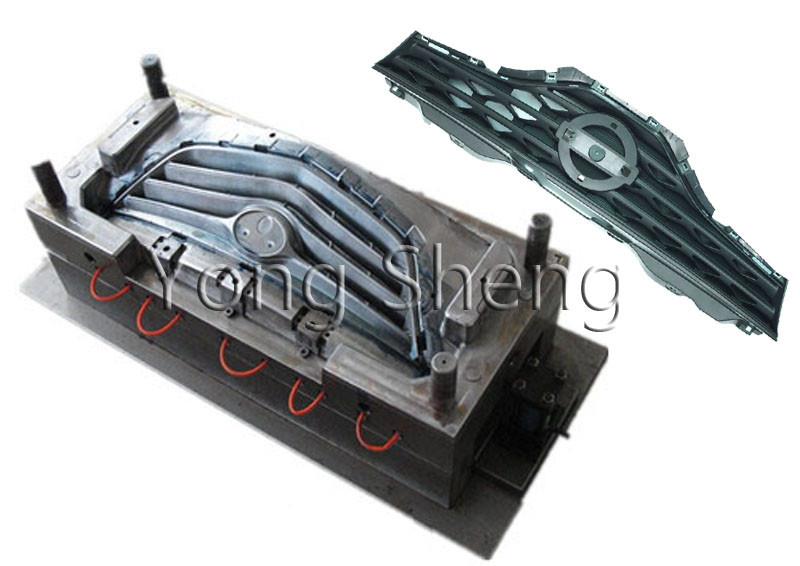
工具製作に使用する材料と、その性能・耐久性・価値には大きな差がある。手工具、機械部品、特殊工具の製作には適切な材料の慎重な選択が不可欠だ。具体的には、コスト・強度・耐熱性といった観点から工具製作に適した材料の選び方について解説する。 工具製作者は金属、合金、高度なプラスチックをよく使用します。これらについて、そしてそれらを用いて様々な作業を最も効果的に行う方法について説明します。 工具製作. より良い選択により、作業の質と工具の製作方法を向上させるためには、工具製作の材料を選ぶ際に従うべき基本的なルールがいくつかあります。.
工具製作のための材料特性の理解
工具材料の機械的特性
When choosing materials for making tools, it's important to think about how they behave mechanically. These features tell us how the material will react to different situations and stresses during use. Strength, hardness, toughness, and resistance to wear are some of the most important mechanical qualities. For example, cutting tools are often made of high-carbon steel because it is very hard and doesn't break down easily. It might not work well with impact tools that need to be tougher, though. When making tools, the mix of these characteristics must be carefully thought out based on the purpose. Fatigue resistance and flexibility are also very important in figuring out how long a tool will last and how well it will work after being used many times.
熱特性とその工具性能への影響
工具製作の材料選定において考慮すべきもう一つの重要な点は、その熱的特性である。多くの状況下では、材料が高温に耐え、その特性を維持できることが極めて重要だ。例えば、溶接や高速切削に使用される工具は、加熱されてもその威力と切れ味を保たねばならない。タングステンカーバイドやセラミック合金のような材料は耐熱性に優れているため、こうした状況でよく選ばれる。 工具、特に精密工具を製造する際には、工具の寸法を一定に保つために熱膨張係数を考慮する必要があります。一部の材料は熱処理によって熱特性を大幅に向上させることができ、特定の用途に適したものとなります。 工具製作 用途。.
耐食性と環境への配慮
When choosing materials for making tools, corrosion resistance is very important, especially for tools that will be used in hard settings or with substances that corrode. To give you an example, stainless steel is often used to make tools because it doesn't rust. But people who make tools also need to think about the kind of rust that the tool might face, like galvanic corrosion or stress corrosion cracking. For tools used in the food or medical fields, environmental concerns go beyond rust and include things like chemical protection and biocompatibility. More and more, eco-friendly materials are being used to make tools, with a focus on reusable or disposable materials when they make sense..
現代工具製造における先端材料と技術
工具性能向上のための革新的合金と複合材料
The people who make tools have come a long way by using new metals and materials. The unique mixtures of qualities in these materials can make tools work much better. Powder metallurgy high-speed steels, for instance, are tougher and less likely to wear down than regular high-speed steels. When you mix tungsten carbide pieces with a cobalt glue, you get cemented carbides. These are very hard and don't wear down easily, making them great for cutting tools. Ceramic matrix composites are becoming more popular in high-temperature settings because they don't expand or contract much when heated or cooled. Toolmakers need to keep up with these changes so they can use the newest materials to make their tools last longer and work better.
工具製造におけるナノテクノロジー:機会と課題
ナノテクノロジーは原子や分子レベルで物事を変化させることを可能にし、これにより新たな手法で道具を作り、進歩を遂げることができる。 工具製作. ナノ構造材料には、より高い強度、優れた耐摩耗性、優れた熱伝導性など、優れた特性が見出される。例えば、ナノ結晶ダイヤモンドコーティングは切削工具の硬度を大幅に向上させ、破損しにくくする。しかし、工具製造におけるナノテクノロジーの活用には、製造工程の複雑化や健康・安全上の問題といった課題も伴う。 カスタム工具メーカーは、ナノテクノロジーで改良された材料の使用に関する利点と欠点を慎重に検討し、それらを適切に扱い加工する方法を考案する必要がある。.
積層造形とその工具材料選定への影響
Three-dimensional printing, or additive manufacturing, is changing the tool-making business by making it possible to make complicated shapes and unique designs that weren't possible or practical before. This technology is making more materials, like specific metal powders and polymer mixtures, usable for making tools. One example of an additive manufacturing tool with an improved internal structure is an injection mold with conformal cooling ducts. Material qualities of 3D-printed tools may be different from those made in traditional ways, though, so it's important to be careful when choosing materials. Makers of tools need to know what makes additively made materials special so they can change how they plan and choose materials.
特定工具用途における材料選定の最適化
切削工具:硬度と靭性のバランス
It's important to choose materials that are both strong and tough for cutting tools. To keep a cutting edge sharp, tools need to be durable, but tools that are too hard can break quickly. High-speed steel (HSS) is still often used for cutting because it is cheap and has a good mix of properties. It is better to use cemented carbides for tougher jobs because they are harder and don't wear down as quickly. New materials like titanium nitride or diamond-like carbon can make cutting tools work even better. Tool makers have to think about the workpiece's material, the cutting speed, and the cooling conditions when they choose the materials for their tools. This is done to make sure the tools work well and last a long time.
成形工具:塑性変形抵抗に関する考慮事項
Forming tools, which are used for things like pressing, bending, and deep drawing, need materials that don't easily bend or stretch. Because they are strong and don't break down easily, tool steels, especially those in the D and A types, are often used in tool making. Powder metallurgy tool steels or cemented carbides may be better for uses with rough materials or heavy loads in 工具製作. 窒化処理や物理的蒸着法(PVD)コーティングなどの表面処理は、工具の摩耗や摩擦に対する耐性を大幅に向上させることがあります。工具製造用の材料を選択する際、特に大量生産においては、工具メーカーは材料のかじり抵抗性や熱伝導性といった特性についても考慮する必要があります。.
測定・検査ツール:精度と安定性
When picking materials for measure and checking tools, the most important things are how precise they are, how stable their dimensions are, and how well they stand up to the elements. Precision measuring tools often use Invar or some ceramic compounds, which have low thermal expansion factors, to keep mistakes caused by temperature to a minimum. Materials that are very resistant to wear and have a good surface finish are necessary for gauges and other touch measurement tools. People often use stainless steel because it doesn't rust and stays the same size. To keep operators from getting too tired, it may be better to use lightweight materials like aluminum alloys or designed plastics. When choosing materials for measuring and inspecting tools, tool makers have to think about where the tools will be used, how accurate they need to be, and how often they will be used.
結論
工具製造に適した材料の選定は、機械的特性、熱的特性、用途固有の要件など、様々な要素を慎重に考慮する必要がある複雑なプロセスである。 技術の進歩に伴い、工具メーカーは革新的な合金や複合材料からナノテクノロジー強化材料、積層造形に至るまで、拡大し続ける材料と製造技術にアクセスできる。材料選定の主要な原則を理解し、分野の最新動向を把握することで、工具メーカーは製品の性能、耐久性、コスト効率を最適化できる。結局のところ、あらゆる工具の成功は 工具製作 プロジェクトは、特定の用途に適切な材料を適合させる能力にかかっており、技術的要件と実用上の制約のバランスを取る必要がある。.
For more information on professional tool-making services and expertise, consider reaching out to Alwin Asia Limited, registered in Hong Kong. Their subsidiary, Dongguan Yongsheng Hardware Plastic Product Co., Ltd., founded in 1993, has over 20 years of experience in plastic mold, die casting mold, and plastic products manufacturing. Located in Chang'an Town, Dongguan City, Guangdong Province, they offer comprehensive services including design, development, mold fabrication, production, and secondary processing. With ISO9001:2015 certification and a commitment to quality, they are well-equipped to meet diverse tool-making needs. For inquiries, please contact them at sales@alwinasia.com.
よくある質問
Q: 工具製造で最も一般的に使用される材料は何ですか?
A: 最も一般的な材料には、用途や要件に応じて、高速度鋼、工具鋼、超硬合金、および各種合金が含まれます。.
Q: 熱処理は工具材料にどのような影響を与えますか?
A: 熱処理は工具材料の硬度、強度、耐摩耗性を大幅に向上させ、その総合性能と寿命を向上させます。.
Q: 切削工具の材料選定において考慮すべき要素は何ですか?
A: 主な要因には、硬さ、靭性、耐摩耗性、熱安定性、および切断対象材料の固有特性が含まれます。.
Q: 積層造形技術は工具製造にどのような影響を与えましたか?
A: 積層造形技術により、複雑な工具形状の創出、カスタマイズ設計、新素材の活用が可能となり、工具製造の可能性が広がっています。.
Q: 工具製造において複合材料を使用する利点は何ですか?
A: 複合材料は、高い強度重量比、改良された耐摩耗性、強化された熱安定性など、特性のユニークな組み合わせを提供できます。.
参考文献
1. Smith, J. (2019). "Advanced Materials in Modern Tool Making." Journal of Manufacturing Technology, 45(3), 178-195.
2. Johnson, A., & Brown, B. (2020). "Material Selection Strategies for High-Performance Cutting Tools." International Journal of Tool Engineering, 12(2), 87-104.
3. Lee, C. et al. (2018). "Nanotechnology Applications in Tool Making: A Comprehensive Review." Advanced Materials Research, 56(4), 412-430.
4. Wilson, M. (2021). "Thermal Properties of Tool Materials: Impact on Performance and Selection Criteria." Journal of Thermal Analysis and Calorimetry, 89(1), 23-41.
5. Garcia, R., & Taylor, S. (2017). "Corrosion Resistance in Tool Materials: Challenges and Solutions." Corrosion Science and Technology, 33(2), 156-173.
6. Thompson, K. (2022). "Additive Manufacturing in Tool Making: Opportunities and Material Considerations." Additive Manufacturing Journal, 18(3), 289-306.