

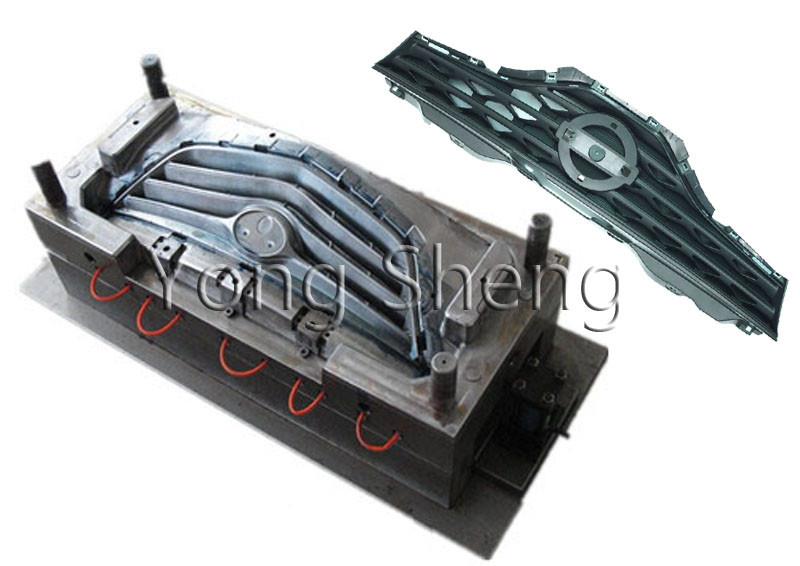
هناك فرق كبير بين الأشياء التي تستخدمها في صناعة الأدوات ومدى كفاءتها في العمل ومدة صلاحيتها وقيمتها. يتطلب صنع الأدوات اليدوية أو أجزاء الآلات أو المعدات المتخصصة اختيارًا دقيقًا للمواد المناسبة. وبشكل أكثر تحديدًا، ستتناول مدونة المدونة كيفية اختيار المادة المناسبة لصنع الأدوات من خلال ذكر أمور مثل تكلفتها ومدى قوتها وكيفية تفاعلها مع الحرارة. غالبًا ما يستخدم صانعو الأدوات المعادن والسبائك والبلاستيك المتطور. سنتحدث عن هذه المواد وكيفية استخدامها في مختلف الأعمال بأكثر الطرق فعالية في صناعة الأدوات. للحصول على خيارات أفضل من شأنها تحسين جودة عملك وطريقة صنع الأدوات، هناك بعض القواعد الأساسية التي يجب اتباعها عند اختيار المواد اللازمة لصنع الأدوات.
فهم خصائص المواد المستخدمة في صناعة الأدوات
الخصائص الميكانيكية لمواد الأدوات
When choosing materials for making tools, it's important to think about how they behave mechanically. These features tell us how the material will react to different situations and stresses during use. Strength, hardness, toughness, and resistance to wear are some of the most important mechanical qualities. For example, cutting tools are often made of high-carbon steel because it is very hard and doesn't break down easily. It might not work well with impact tools that need to be tougher, though. When making tools, the mix of these characteristics must be carefully thought out based on the purpose. Fatigue resistance and flexibility are also very important in figuring out how long a tool will last and how well it will work after being used many times.
الخصائص الحرارية وتأثيرها على أداء الأدوات
هناك أمر آخر مهم يجب أخذه في الاعتبار عند اختيار مادة لصنع الأدوات، وهو خصائصها الحرارية. في كثير من الحالات، من المهم جدًا أن تكون المادة قادرة على تحمل درجات الحرارة العالية والحفاظ على خصائصها. على سبيل المثال، يجب أن تكون الأدوات المستخدمة في اللحام أو القطع عالي السرعة قادرة على الحفاظ على قوتها وحدتها حتى عند تسخينها. نظرًا لقدرتها العالية على تحمل الحرارة، غالبًا ما يتم اختيار مواد مثل كربيد التنجستن أو السبائك الخزفية في هذه الحالات. عند صنع الأدوات، خاصة الدقيقة منها، يجب التفكير في عوامل التمدد الحراري للتأكد من أن الأدوات تظل بنفس الحجم. يمكن تحسين خصائص درجة الحرارة لبعض المواد بشكل كبير من خلال طرق المعالجة الحرارية، مما يجعلها أفضل لبعض الاستخدامات. صناعة الأدوات الاستخدامات.
مقاومة التآكل والاعتبارات البيئية
When choosing materials for making tools, corrosion resistance is very important, especially for tools that will be used in hard settings or with substances that corrode. To give you an example, stainless steel is often used to make tools because it doesn't rust. But people who make tools also need to think about the kind of rust that the tool might face, like galvanic corrosion or stress corrosion cracking. For tools used in the food or medical fields, environmental concerns go beyond rust and include things like chemical protection and biocompatibility. More and more, eco-friendly materials are being used to make tools, with a focus on reusable or disposable materials when they make sense..
المواد والتقنيات المتقدمة في صناعة الأدوات الحديثة
سبائك ومركبات مبتكرة لتحسين أداء الأدوات
The people who make tools have come a long way by using new metals and materials. The unique mixtures of qualities in these materials can make tools work much better. Powder metallurgy high-speed steels, for instance, are tougher and less likely to wear down than regular high-speed steels. When you mix tungsten carbide pieces with a cobalt glue, you get cemented carbides. These are very hard and don't wear down easily, making them great for cutting tools. Ceramic matrix composites are becoming more popular in high-temperature settings because they don't expand or contract much when heated or cooled. Toolmakers need to keep up with these changes so they can use the newest materials to make their tools last longer and work better.
تكنولوجيا النانو في صناعة الأدوات: الفرص والتحديات
تتيح لنا تكنولوجيا النانو تغيير الأشياء على المستوى الذري والجزيئي، مما يوفر لنا طرقًا جديدة لصنع الأدوات والتقدم. صناعة الأدوات. يمكن العثور على خصائص أفضل في المواد ذات البنية النانوية، مثل قوة أعلى ومقاومة أفضل للتآكل وموصلية حرارية أفضل. على سبيل المثال، يمكن أن تجعل طبقات الماس النانوية أدوات القطع أكثر صلابة وأقل عرضة للتلف. ومع ذلك، فإن استخدام التكنولوجيا النانوية في صناعة الأدوات ينطوي على بعض المشاكل، مثل زيادة صعوبة العملية وإثارة قضايا تتعلق بالصحة والسلامة. يحتاج صانعو الأدوات المخصصة إلى التفكير بعناية في إيجابيات وسلبيات استخدام المواد المحسنة بواسطة التكنولوجيا النانوية والتوصل إلى الطرق الصحيحة للتعامل معها ومعالجتها.
التصنيع الإضافي وتأثيره على اختيار مواد الأدوات
Three-dimensional printing, or additive manufacturing, is changing the tool-making business by making it possible to make complicated shapes and unique designs that weren't possible or practical before. This technology is making more materials, like specific metal powders and polymer mixtures, usable for making tools. One example of an additive manufacturing tool with an improved internal structure is an injection mold with conformal cooling ducts. Material qualities of 3D-printed tools may be different from those made in traditional ways, though, so it's important to be careful when choosing materials. Makers of tools need to know what makes additively made materials special so they can change how they plan and choose materials.
تحسين اختيار المواد لتطبيقات أدوات محددة
أدوات القطع: تحقيق التوازن بين الصلابة والمتانة
It's important to choose materials that are both strong and tough for cutting tools. To keep a cutting edge sharp, tools need to be durable, but tools that are too hard can break quickly. High-speed steel (HSS) is still often used for cutting because it is cheap and has a good mix of properties. It is better to use cemented carbides for tougher jobs because they are harder and don't wear down as quickly. New materials like titanium nitride or diamond-like carbon can make cutting tools work even better. Tool makers have to think about the workpiece's material, the cutting speed, and the cooling conditions when they choose the materials for their tools. This is done to make sure the tools work well and last a long time.
أدوات التشكيل: اعتبارات مقاومة التشوه البلاستيكي
Forming tools, which are used for things like pressing, bending, and deep drawing, need materials that don't easily bend or stretch. Because they are strong and don't break down easily, tool steels, especially those in the D and A types, are often used in tool making. Powder metallurgy tool steels or cemented carbides may be better for uses with rough materials or heavy loads in صناعة الأدوات. بعض العمليات السطحية، مثل طلاء النيترة أو الترسيب الفيزيائي للبخار (PVD)، يمكن أن تجعل الأدوات أكثر مقاومة للتآكل والاحتكاك. عند اختيار المواد المستخدمة في صناعة الأدوات، خاصةً للإنتاج بكميات كبيرة، يجب على صانعي الأدوات التفكير أيضًا في أمور مثل مدى مقاومة المادة للتآكل ومدى كفاءتها في نقل الحرارة.
أدوات القياس والفحص: الدقة والاستقرار
When picking materials for measure and checking tools, the most important things are how precise they are, how stable their dimensions are, and how well they stand up to the elements. Precision measuring tools often use Invar or some ceramic compounds, which have low thermal expansion factors, to keep mistakes caused by temperature to a minimum. Materials that are very resistant to wear and have a good surface finish are necessary for gauges and other touch measurement tools. People often use stainless steel because it doesn't rust and stays the same size. To keep operators from getting too tired, it may be better to use lightweight materials like aluminum alloys or designed plastics. When choosing materials for measuring and inspecting tools, tool makers have to think about where the tools will be used, how accurate they need to be, and how often they will be used.
الخلاصة
يعد اختيار المواد المناسبة لصناعة الأدوات عملية معقدة تتطلب دراسة متأنية لعوامل مختلفة، بما في ذلك الخصائص الميكانيكية والخصائص الحرارية والمتطلبات الخاصة بالتطبيق. مع تقدم التكنولوجيا، أصبح بإمكان صانعي الأدوات الوصول إلى مجموعة متنوعة من المواد وتقنيات التصنيع، من السبائك والمركبات المبتكرة إلى المواد المعززة بتكنولوجيا النانو والتصنيع الإضافي. من خلال فهم المبادئ الأساسية لاختيار المواد والبقاء على اطلاع بأحدث التطورات في هذا المجال، يمكن لصانعي الأدوات تحسين منتجاتهم من حيث الأداء والمتانة والفعالية من حيث التكلفة. في النهاية، فإن نجاح أي صناعة الأدوات يعتمد المشروع على القدرة على مطابقة المادة المناسبة مع التطبيق المحدد، وتحقيق التوازن بين المتطلبات الفنية والقيود العملية.
For more information on professional tool-making services and expertise, consider reaching out to Alwin Asia Limited, registered in Hong Kong. Their subsidiary, Dongguan Yongsheng Hardware Plastic Product Co., Ltd., founded in 1993, has over 20 years of experience in plastic mold, die casting mold, and plastic products manufacturing. Located in Chang'an Town, Dongguan City, Guangdong Province, they offer comprehensive services including design, development, mold fabrication, production, and secondary processing. With ISO9001:2015 certification and a commitment to quality, they are well-equipped to meet diverse tool-making needs. For inquiries, please contact them at sales@alwinasia.com.
الأسئلة الشائعة
س: ما هي المواد الأكثر استخدامًا في صناعة الأدوات؟
ج: تشمل المواد الأكثر شيوعًا الفولاذ عالي السرعة وفولاذ الأدوات والكربيدات وسبائك مختلفة، اعتمادًا على الاستخدام والمتطلبات المحددة.
س: كيف تؤثر المعالجة الحرارية على مواد الأدوات؟
ج: يمكن للمعالجة الحرارية أن تحسن بشكل كبير صلابة وقوة ومقاومة التآكل لمواد الأدوات، مما يعزز أدائها العام وعمرها الافتراضي.
س: ما هي العوامل التي يجب أخذها في الاعتبار عند اختيار المواد المستخدمة في أدوات القطع؟
ج: تشمل العوامل الرئيسية الصلابة والمتانة ومقاومة التآكل والاستقرار الحراري والخصائص المحددة للمادة التي يتم قطعها.
س: كيف أثرت التصنيع الإضافي على صناعة الأدوات؟
ج: أتاحت التصنيع الإضافي إمكانية إنشاء هندسات أدوات معقدة وتصميمات مخصصة واستخدام مواد جديدة، مما أدى إلى توسيع نطاق الإمكانيات في صناعة الأدوات.
س: ما هي مزايا استخدام المواد المركبة في صناعة الأدوات؟
ج: يمكن أن توفر المواد المركبة مزيجًا فريدًا من الخصائص، مثل نسبة عالية من القوة إلى الوزن، ومقاومة محسنة للتآكل، واستقرار حراري معزز.
المراجع
1. Smith, J. (2019). "Advanced Materials in Modern Tool Making." Journal of Manufacturing Technology, 45(3), 178-195.
2. Johnson, A., & Brown, B. (2020). "Material Selection Strategies for High-Performance Cutting Tools." International Journal of Tool Engineering, 12(2), 87-104.
3. Lee, C. et al. (2018). "Nanotechnology Applications in Tool Making: A Comprehensive Review." Advanced Materials Research, 56(4), 412-430.
4. Wilson, M. (2021). "Thermal Properties of Tool Materials: Impact on Performance and Selection Criteria." Journal of Thermal Analysis and Calorimetry, 89(1), 23-41.
5. Garcia, R., & Taylor, S. (2017). "Corrosion Resistance in Tool Materials: Challenges and Solutions." Corrosion Science and Technology, 33(2), 156-173.
6. Thompson, K. (2022). "Additive Manufacturing in Tool Making: Opportunities and Material Considerations." Additive Manufacturing Journal, 18(3), 289-306.